Chronicle IAS NCERT GS 2027 Beginner’s Foundation Classes
Join the Chronicle IAS Online UPSC New NCERT GS Beginner's Foundation Course 2027 for UPSC, State PSCs, and other graduate-level competitive examinations.
You can achieve your goals by building a strong foundation in General Studies through a systematic study of all the new (Rationalized) NCERT textbooks from Classes 6 to 12.
Approximately 50% to 60% of the questions in various competitive examinations are asked from NCERT old & new and state board textbooks of Classes 6 to 12.
This course has been designed by keeping in mind the latest trends and question patterns of various competitive examinations.

Key Features of the UPSC NEW NCERT - GENERAL STUDIES Beginner’s Foundation Course 2027
1. Comprehensive Syllabus Coverage with Conceptual Clarity: The course provides a systematic study of all the old and new NCERT textbooks from Classes 6 to 12, in accordance with the latest examination trends, through simple explanations with special emphasis on building a strong conceptual foundation.
2. Examination-Oriented Approach: NCERT chapters have been mapped with the syllabus and Previous Year Questions (PYQs) of competitive examinations. During the classes, all General Studies subjects will be taught by interlinking related concepts.
3. Concise Class Notes: Chapter-wise concise class notes will be provided with every class for quick revision before examinations.
4. MCQ Practice: The course includes approximately 5,000 NCERT-based objective questions covering all General Studies subjects for Preliminary Examinations practice.
5. Mains Examination Practice Questions: Practice questions for the Main Examination based on NCERT textbooks from Classes 6 to 12 will also be provided.
6. NCERT PDFs: Chapter-wise highlighted PDFs of NCERT textbooks from Classes 6 to 12 will be made available, with important facts, concepts, and content specially marked from an examination perspective.
7. Regular Guidance: Regular guidance will be provided from time to time to ensure conceptual clarity in accordance with the examination syllabus.
8. Quick Revision Classes: After the completion of the course, special Quick Revision Classes will be conducted. By the end of these classes, the Preliminary Examination syllabus for any competitive examination will be comprehensively covered.
9. Language of Instruction: The medium of instruction will be English, but the subjects will be explained in Hinglish to ensure easy understanding and better retention of concepts.
10. Study Material: All study material will be available in both Hindi and English, enabling students to choose the medium according to their convenience, understanding, and requirements.
11. To The Point NCERT Plus – Your Ultimate Companion for Success
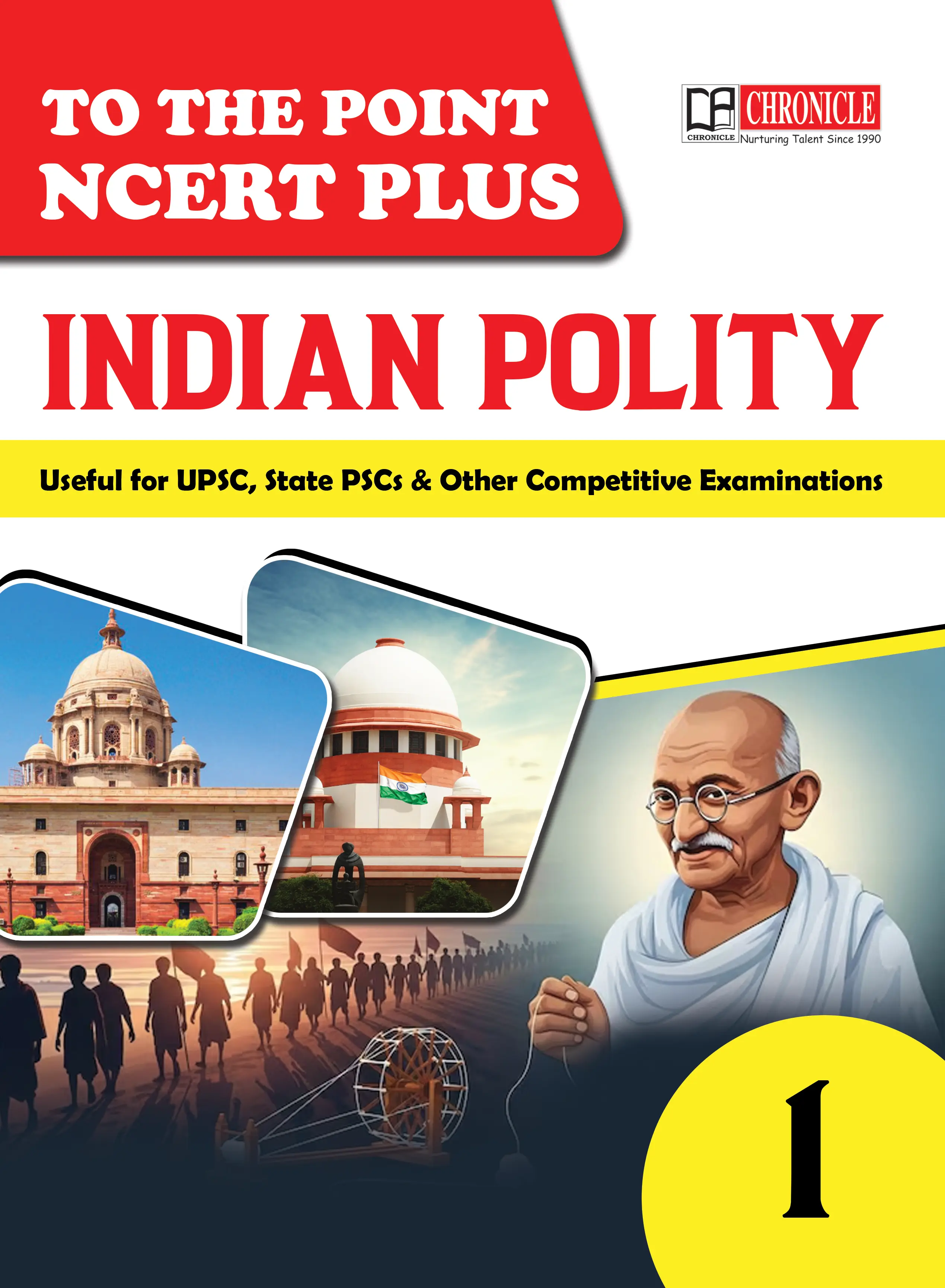
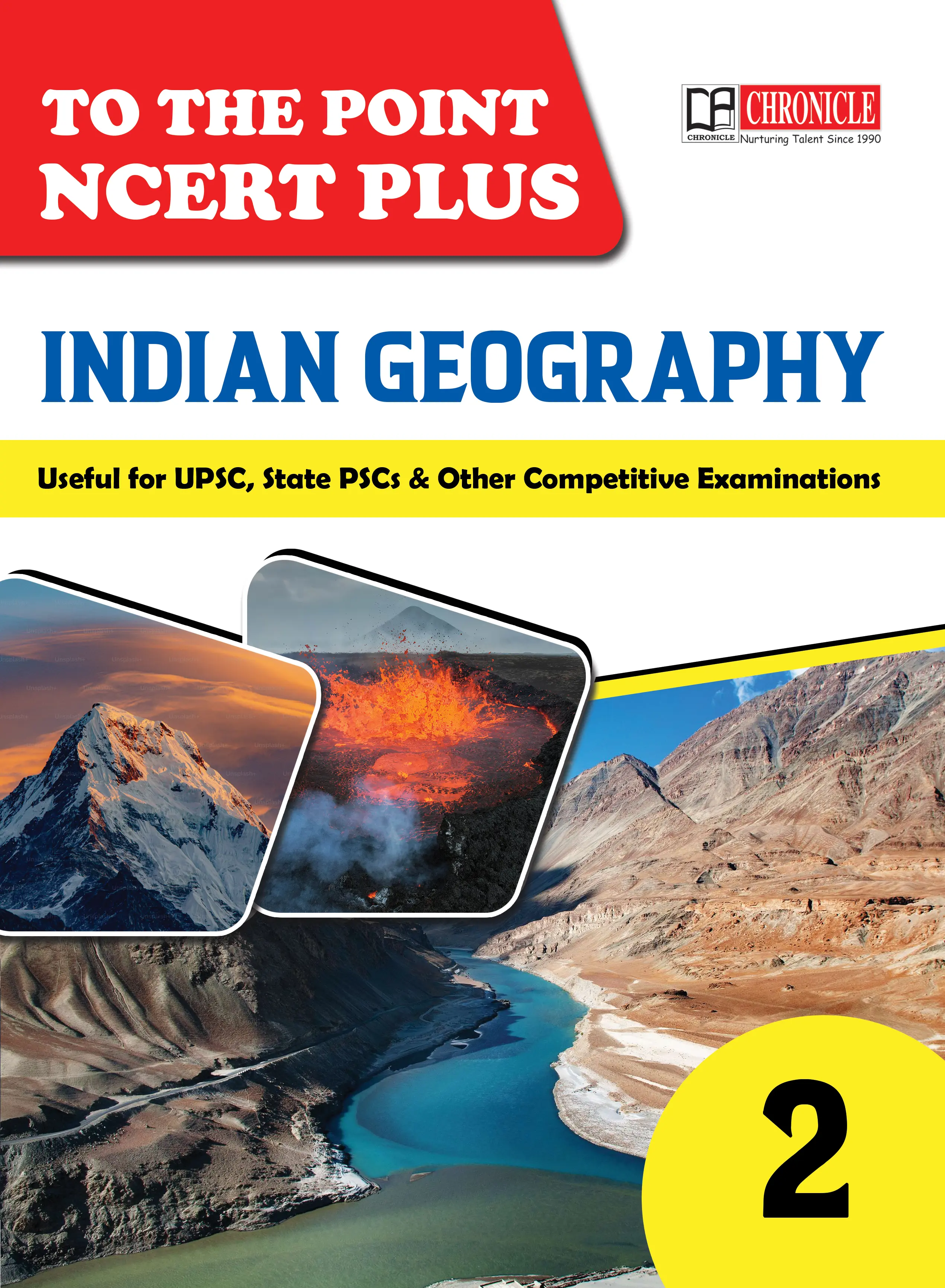
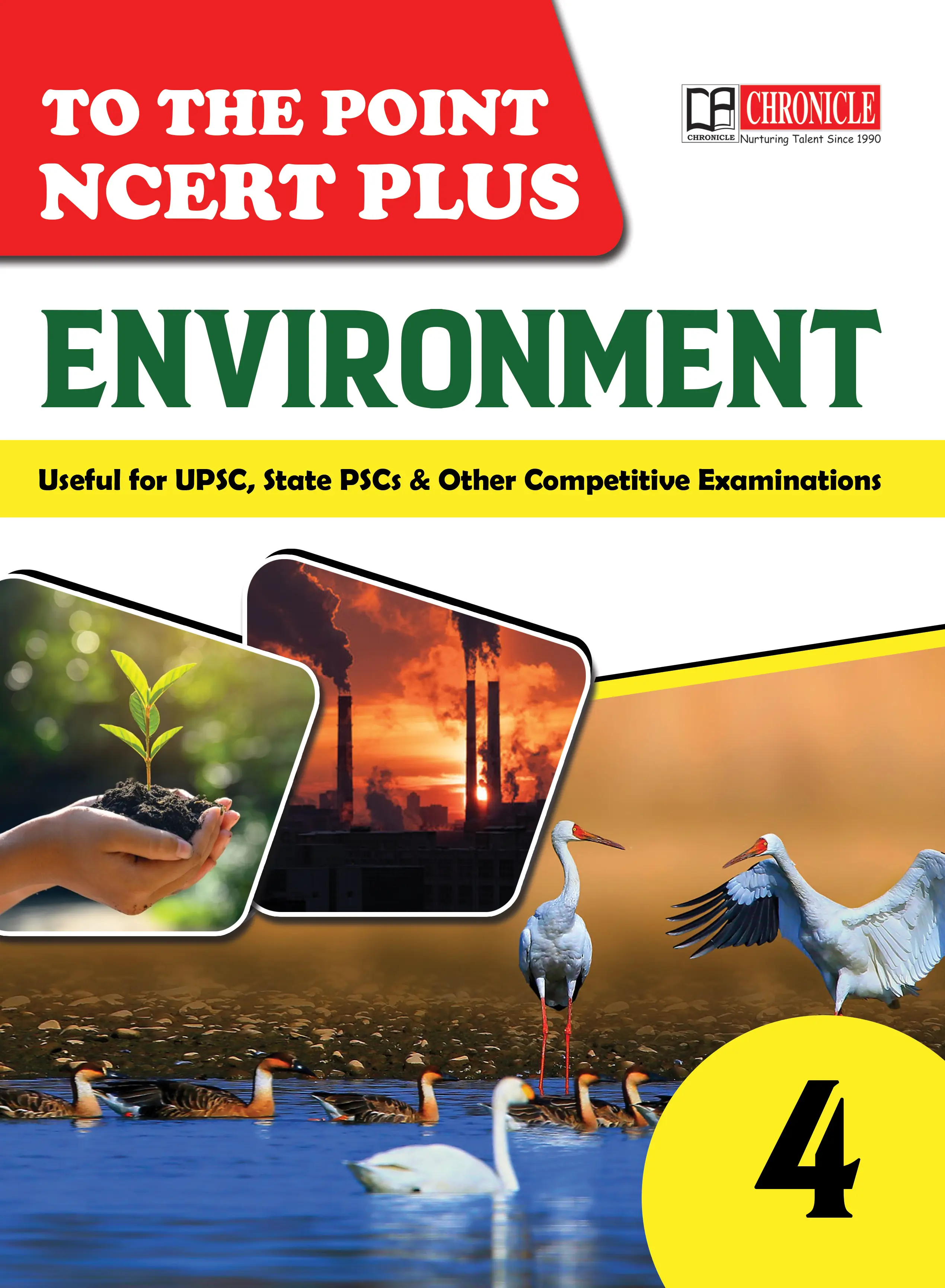
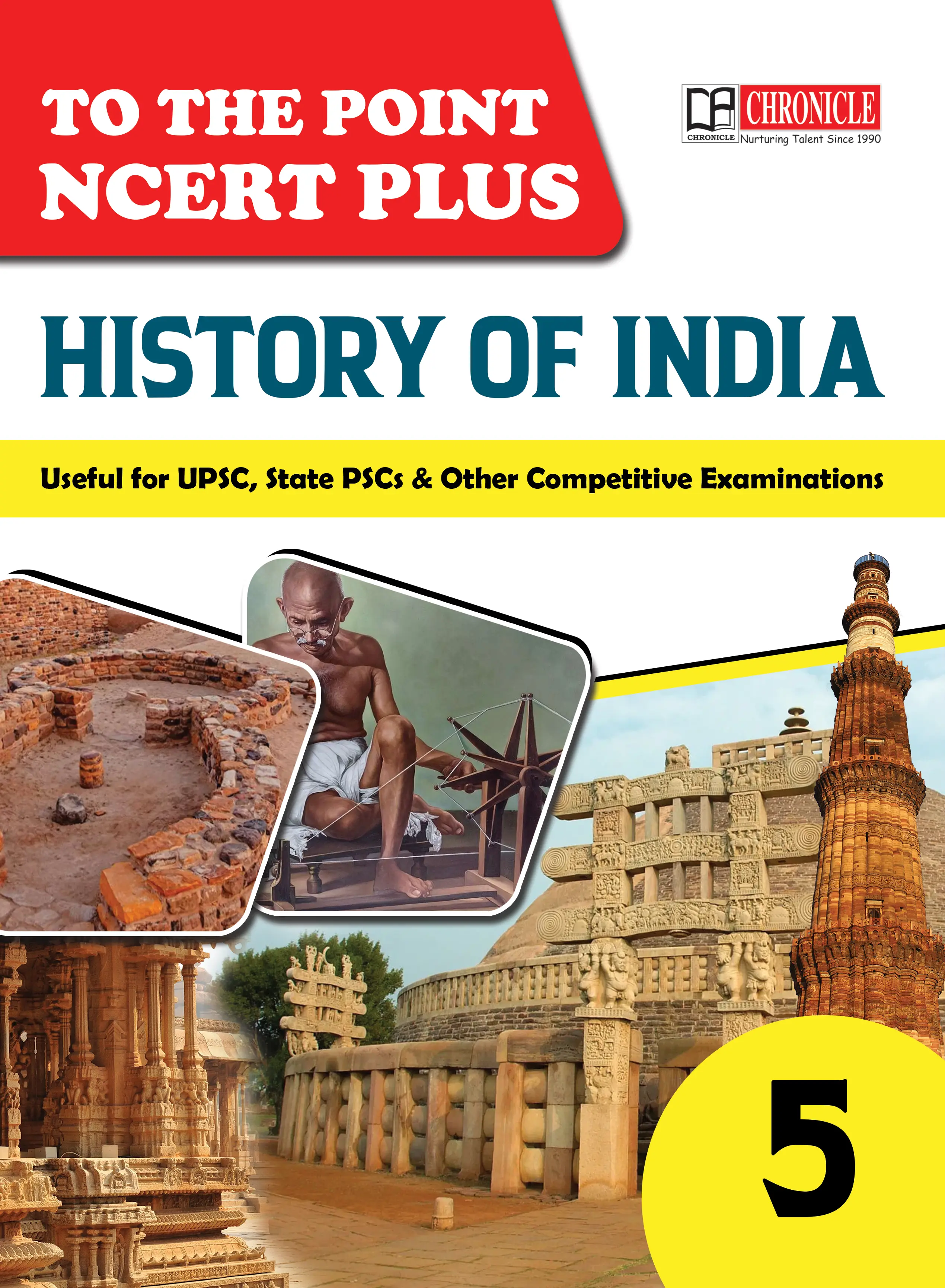
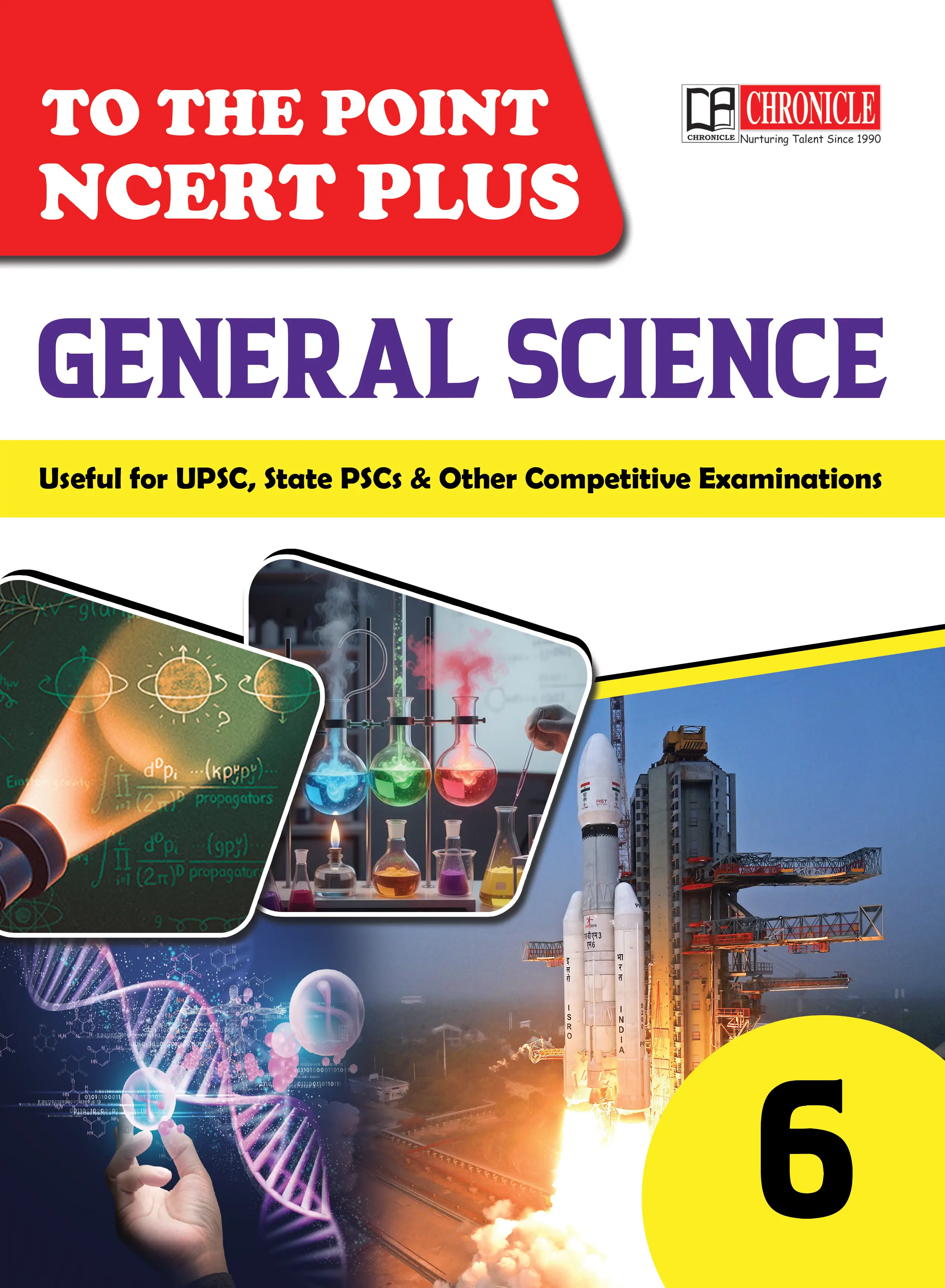
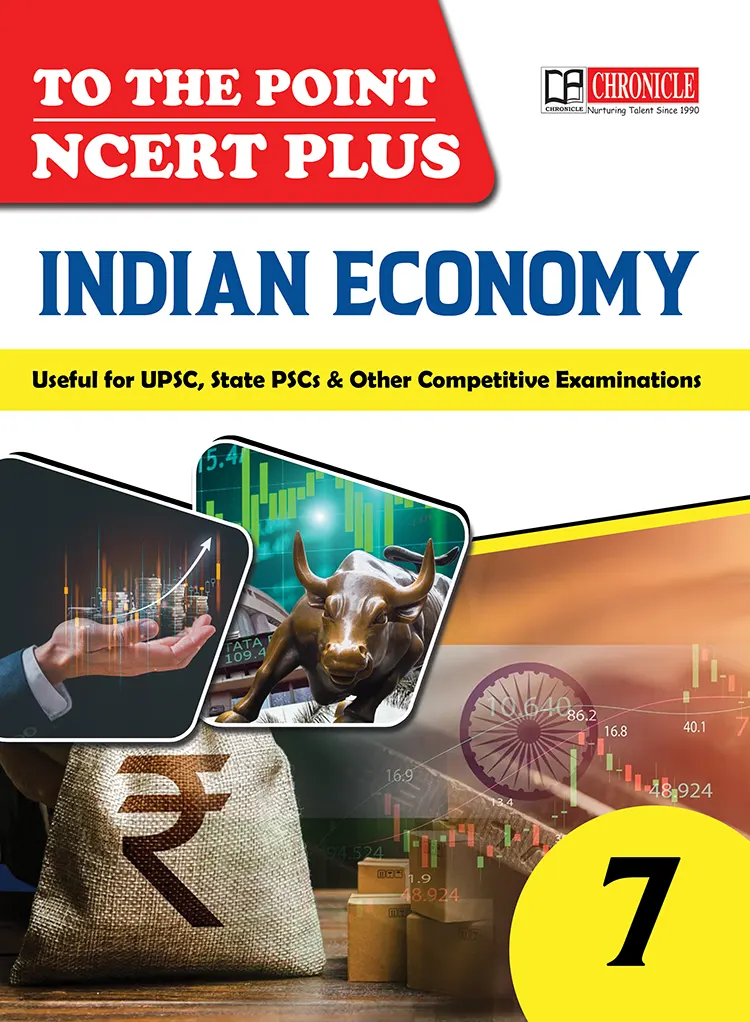
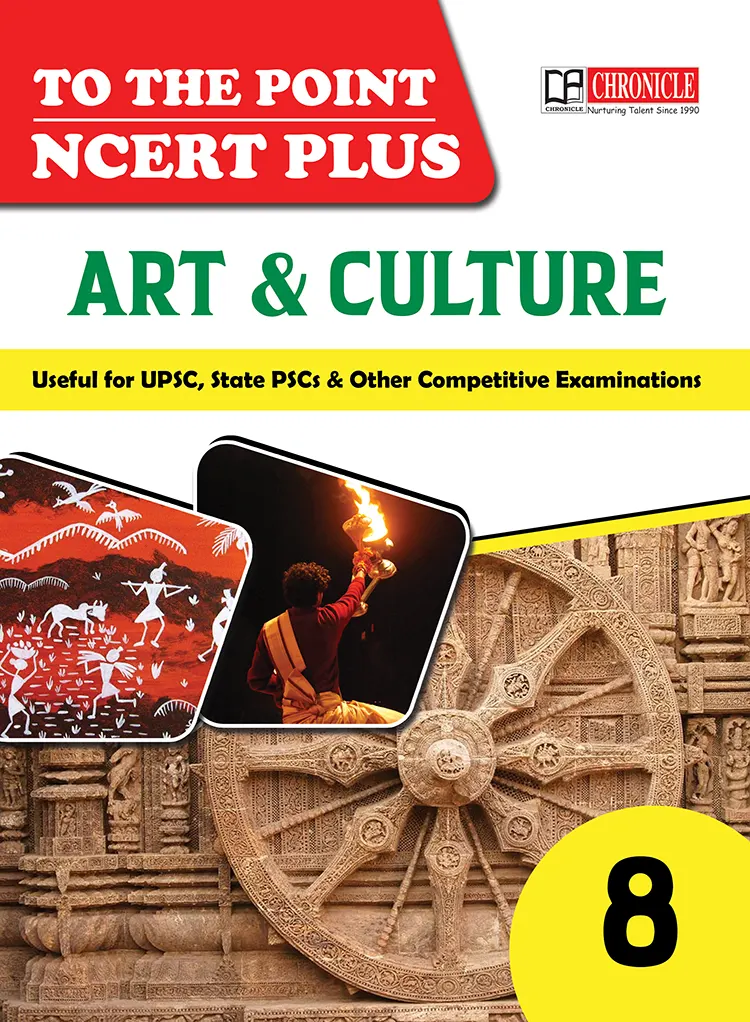
Along with this course, a set of nine books published by Chronicle Publications will be provided. These books have been prepared using content from old and new NCERTs (Classes 6 to 12), as well as from IGNOU, NIOS, and various State Board textbooks. Questions from these books are frequently asked in UPSC, State PSCs, SSC, CDS, NDA, and other competitive examinations.
9 FREE Books worth 3470/-
To The Point NCERT Plus books - Your best companions for success
Content based on Class 6-12 old & new NCERTS + IGNOU + NIOS + State Boards’ books from which questions are often asked in all competitive exams like UPSC/State PCS, SSC, CDS, NDA and other competitive exams.
Note: Subject-wise books will be available before the commencement of the online live classes.

Batch, Schedule & Fee Details
Batch Details & Schedule
- Batch-2 Starts: 10th August 2026
- Course Duration: 6 Months
- Medium: Hinglish
- Mode: Live Online Classes
Fee Details
- Course Fee: 3000 including GST
- Limited Time Offer: Enroll now at just 3000 (including GST) after a discount of 3470. (Original fee: 6470, including books)
Download our Chronicle IAS Learning App
Frequently Asked Questions
How to build a strong foundation that helps in UPSC, STATE PCS, SSC, DEFENCE, CTET and other competitive exams?
Every success story begins with a strong foundation. The first step toward success is building a solid base through NCERT Foundation Classes based on the GS syllabus, which develop a strong conceptual understanding for any competitive examination.
If you want to succeed in less time, join a complete course based on NCERTs (Classes 6–12) and gain systematic coverage, conceptual clarity in simple language, and integrated learning along with concise notes, MCQ practice, and PYQ linkage.
What mistakes do beginners make that keep them away from success for years?
Beginners often make the mistake of memorizing facts repeatedly without understanding concepts. They start making notes without conceptual clarity and remain confused between old and new NCERTs.
This is not the time to repeat mistakes but to correct them. Hard work in the wrong direction, dependence only on old NCERTs, and rote learning without understanding concepts are the biggest mistakes. Reading NCERTs in the right way is the real key to success.
What are the biggest problems faced by beginners? How should they start?
The most important foundation of any competitive examination is General Studies (GS), and the right beginning comes with a strong foundation. For this, systematic and exam-oriented study of both old and new NCERTs is essential. A strong foundation and the right strategy are what makes toppers.
If beginners overcome certain challenges at the very beginning, success becomes much more achievable. These challenges include balancing graduation studies with competitive exam preparation, adopting the right strategy and direction on time, and preparing strong foundational notes from the start.
Can NCERTs strengthen the foundation for UPSC and make the journey to IAS easier?
Absolutely, every great journey begins with a small step. If NCERTs are studied systematically with conceptual clarity and linked with previous years’ questions (PYQs), the journey from NCERTs to becoming an IAS officer becomes much easier.
Why do millions of aspirants fail to achieve their dreams every year?
Did you know that the success rate in most competitive examinations in India is only 0.2% to 5%? The major reasons are a weak foundation and an incorrect strategy. Most aspirants cannot decide:
- What to study and what to skip
- Where to begin
- How to give direction to their preparation
If you want success, it is time to do something different—build a strong foundation with the right strategy and learn how to study NCERTs properly.
Is an NCERT-based foundation course necessary for UPSC or State Exams?
A building cannot stand without a foundation, and selection is impossible without strong basics. A strong foundation creates a strong future.
Therefore, start now with the right direction and strategy by studying both old and new NCERTs, which build a strong base and transform success from a dream into reality.
The old strategy and old NCERTS alone are no longer enough
The new trend demands a preparation strategy that is completely based on the new NCERTs. Begin your preparation with a complete course that provides conceptual clarity, complete coverage, and confidence in preparation all in one place.
The syllabus of competitive exams is like an ocean. How can a beginner become a topper?
Every topper was once a beginner. Their journey began with the basics and gradually moved toward excellence. If you want to shine tomorrow, you must start today.
Success today demands not just studying, but studying with an exam-oriented smart strategy and proper direction. Selection comes not through memorization but through understanding, supported by conceptual clarity and crystal-clear concepts.
Study with innovative patterns and relatable examples that do not merely help you remember but stay with you permanently.Why is it necessary for beginners to read the new NCERTs?
Mistakes made during the early stages of preparation often lead aspirants toward failure because success comes only when the beginning is right.
Everyone reads NCERTs, but can beginners read them correctly without proper guidance and strategy? Every page of an NCERT contains a treasure of concepts and facts. If studied without understanding, the effort becomes enormous while the output remains minimal.
The first condition of success is preparation carried out with the right direction, strategy, and understanding.Every topper says “Read NCERTs.” But how do you read 4,600 pages of NCERTS?
The real question is not how to read 4,600 pages of NCERTs. Many students read even 7,600 pages of coaching material in a year. The challenge is how to cover these 4,600 pages in just 200 hours.
This may sound impossible, but it becomes achievable through:
- Structured classes
- Simplified notes
- PYQ linkage
- MCQ practice
Are you reading NCERTS the wrong way?
If your answer is yes, it is time to change the direction of your preparation.
All subjects are interconnected:
- History is linked with Geography, Polity, and Economy.
- Science is connected with Environment and Geography.
Once one concept is properly understood, several subjects automatically become easier. Therefore, an Integrated Learning Approach is essential, where subjects are connected and studied in the proper conceptual flow.
Is simply “Reading” NCERTs enough for UPSC, State PSCs, and other competitive exams?
Absolutely not. However, nearly 60–70% of questions in competitive examinations are directly or indirectly based on NCERTs. Therefore, it is important to understand them properly and study them in an exam-oriented manner.
NCERTs must not only be read but also:
- Understood deeply
- Integrated with every segment of GS
- Related to examination requirements
- Studied with conceptual clarity in simple language
The new and old NCERTs from Classes 6 to 12 should be studied through an integrated approach connecting History, Polity, Geography, Economy, Environment, and Science.
Success comes not merely from studying, but from preparing in the right manner.Why do many students consider “Practice, Practice, and Practice” as the only mantra for success?
Practice is the foundation of any examination. It not only strengthens understanding but also builds confidence.
If an aspirant practice:
- 5,000 topic-wise NCERT-based MCQs, and
- PYQs of all competitive examinations from the last five years,
then preliminary examination preparation can be completed effectively.
What are the features of the NCERT foundation course?
This course has been specially designed for UPSC, State PSCs, and other competitive examinations. It helps aspirants develop a strong foundation in a short time and move toward the category of toppers.
The course includes complete coverage of all old and new NCERTs from Classes 6–12, along with conceptual understanding, concise notes, and practice questions.
Key features of the course
- 200+ hours of classes covering all new NCERTs from Classes 6–12.
- Direct linkage with the syllabus and PYQs of UPSC, State PSCs, and other examinations.
- Complete syllabus coverage with in-depth understanding of concepts and facts.
- Focus on conceptual clarity in simple language.
- Simplified and concise class notes for quick revision.
- Topic-wise practice of NCERT-based MCQs.
What has changed in the new NCERTS compared to the old ones?
The major changes include:
- Reduction of the syllabus.
- Removal of certain topics.
- Simpler presentation.
Around 20–30% of the content from old NCERTs has been reduced due to syllabus rationalization, and some important topics relevant for UPSC and State PCS have also been removed. Therefore, certain chapters and sections from old NCERTs still need to be studied carefully. Very little completely new content has been added in the updated NCERTs.
Therefore, if you have already studied the old NCERTs thoroughly, focusing mainly on the relevant chapters and sections of the new NCERTs may be sufficient.
The new NCERTs are:
- Simpler in language
- Less theory-oriented
- Rich in diagrams and examples
- More student-friendly and exam-oriented
For UPSC and PCS aspirants, studying both old and new NCERTs is advisable, especially the deleted topics and chapters from the old NCERTs.
New NCERTs = Short + Simplified + Trimmed ContentOld NCERTs = Detailed + Conceptual + Exam-Rich Content
In which language should competitive examinations be prepared?
Preparation for any examination, especially UPSC and State PSCs, can be done in either English or Hindi. However, in the present scenario, studying in English may be more advantageous because study material is more readily available.
At the same time, if coaching classes are conducted in English but explanations are provided in Hinglish (Hindi + English), it becomes more effective. This approach helps in clearly understanding concepts and applying them effectively in examinations.
